


Cupping Therapy Benefits for Muscle Tension and Pain Relief
Cupping therapy is an ancient healing technique that has steadily gained popularity in modern wellness practices. Often associated with traditional Chinese medicine, this therapy involves placing cups on the skin to create suction. While the visual effects of cupping may be startling to some, particularly the round marks left behind, the health benefits are widely recognized among athletes, physical therapists, and those seeking alternative pain management solutions. In particular, the use of cupping therapy for shoulder pain and general muscle tension relief has become a focal point of interest due to its natural, non-invasive approach to healing.
The Origins and Mechanism of Cupping Therapy
Cupping therapy dates back thousands of years, with origins in ancient Egyptian, Chinese, and Middle Eastern cultures. The concept is based on the belief that stagnation in the body can lead to discomfort and illness. By applying suction to specific points on the skin, cupping is believed to stimulate blood flow, promote healing, and remove toxins through the lymphatic system.
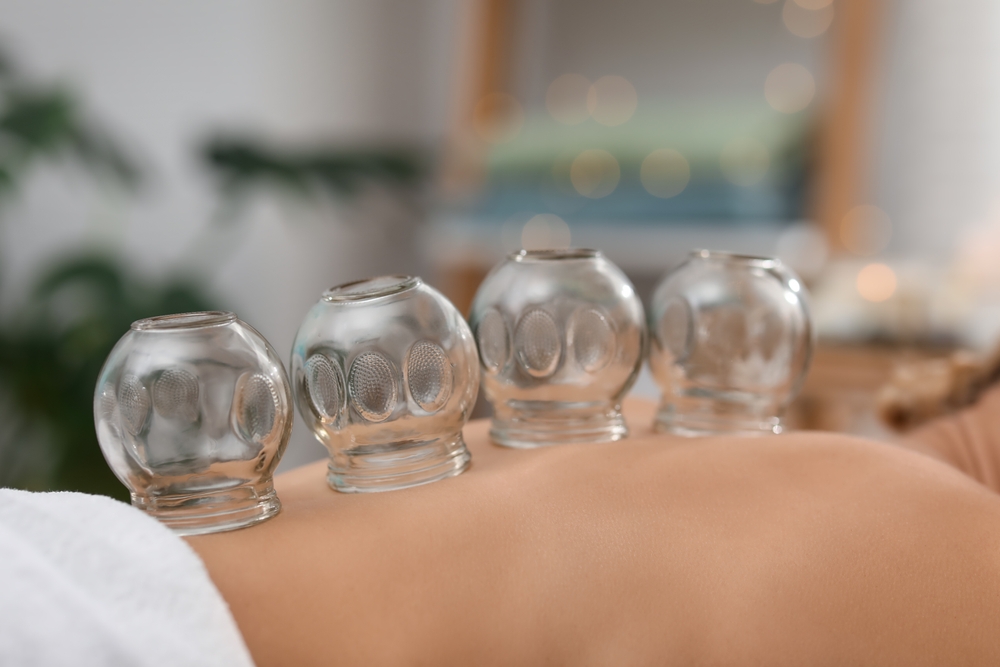
There are two primary types of cupping: dry cupping and wet cupping. Dry cupping uses suction alone, while wet cupping involves a controlled medicinal bleeding technique. Today, dry cupping is more commonly used for muscle pain and tension. Cups are typically made of glass, silicone, or plastic, and may be applied using heat or a mechanical pump. The suction draws the skin upward, loosening connective tissues and increasing circulation to the affected area.
This increase in localized blood flow is believed to help repair damaged tissues and relieve muscle tightness. The lifting action of the skin and underlying tissues is thought to trigger a response from the nervous system that can reduce pain signals, making cupping therapy a valuable tool for managing muscle discomfort.
Cupping Therapy for Shoulder Pain: Why It Works
One of the most common areas where people experience discomfort is the shoulder. This region is particularly susceptible to tension and strain due to posture issues, repetitive movements, and stress. Using cupping therapy for shoulder pain has become increasingly popular because it targets the root causes of muscular discomfort.
When applied to the shoulder, cupping helps by breaking up adhesions in the fascia and relaxing the muscles. The suction effect stretches the muscle fibers gently, allowing them to reset and return to a more natural state. For individuals who suffer from chronic shoulder stiffness or rotator cuff issues, this can result in significant relief.
Additionally, cupping therapy helps increase the range of motion in the shoulder joint. By reducing inflammation and promoting better blood flow, it supports recovery from overuse injuries and can complement other physical therapy methods. It is also commonly used by athletes after intense training sessions to speed up muscle recovery.
Clinical evidence and anecdotal reports often describe improved function, reduced pain levels, and decreased muscle tension following cupping sessions. Many patients experience immediate relief, while others may require a series of treatments for more chronic conditions. Importantly, it serves as a drug-free alternative to managing shoulder pain, making it suitable for those seeking to minimize pharmaceutical intake.
How Cupping Promotes Muscle Tension Relief
Muscle tension is a common problem that affects people across various lifestyles. Whether it is the result of physical exertion, stress, or sedentary habits, muscle tension can interfere with daily activities and reduce overall well-being. Cupping therapy offers a targeted method for muscle tension relief by addressing both the physical and physiological contributors to discomfort.
The act of suction lifts soft tissue layers, increasing the space between muscles and fascia. This helps to release knots, improve flexibility, and reduce stiffness. By increasing blood circulation, cupping supplies more oxygen and nutrients to the tense muscles, accelerating the healing process. The stimulation of blood flow also aids in flushing out metabolic waste products that contribute to soreness and fatigue.
In addition to physical changes, cupping can stimulate the parasympathetic nervous system, which promotes a state of relaxation. This response can counteract the effects of chronic stress, which is a significant factor in muscle tension. As a result, individuals often report not only physical relief but also a deep sense of calm and improved mood following treatment.
Massage therapists, chiropractors, and sports medicine professionals often incorporate cupping into their practice because of its ability to enhance traditional manual therapy. It can be used in combination with stretching, exercise, or acupuncture for a comprehensive approach to muscle health.
Comparing Cupping Therapy with Other Pain Relief Methods
Modern pain relief strategies often involve a combination of rest, medication, physical therapy, and in some cases, surgical intervention. Cupping therapy offers a natural and low-risk option that can either stand alone or complement other treatments. Compared to over-the-counter painkillers or prescription drugs, cupping has minimal side effects and does not carry the risks associated with long-term medication use.
Unlike some other physical treatments, cupping does not involve pressing directly into sore areas. Instead, it uses negative pressure to gently lift and separate tissues, which can be more tolerable for individuals with heightened sensitivity. This makes it a suitable option for those recovering from injuries or managing conditions like fibromyalgia.
Acupuncture and dry needling are also popular methods for managing muscle tension and pain. While these treatments focus on stimulating specific points using needles, cupping works over broader areas and may be less intimidating for needle-averse patients. It is also easier to apply and often more accessible in various wellness settings.
Each therapy has its strengths, and often, the best outcomes are achieved by combining approaches. However, the appeal of cupping lies in its simplicity, cost-effectiveness, and growing evidence base that supports its efficacy in reducing pain and improving mobility.
Who Can Benefit Most from Cupping Therapy
Cupping therapy can be beneficial for a wide range of individuals. Athletes frequently use it to improve recovery times and prevent injuries. Office workers and individuals with sedentary jobs often seek relief from neck and shoulder tension caused by prolonged sitting. Older adults may find it useful for managing chronic pain and maintaining flexibility.
Those suffering from conditions such as myofascial pain syndrome, arthritis, migraines, and tension headaches have also reported positive results. It is important, however, that anyone considering cupping consult with a qualified practitioner to ensure it is appropriate for their health status. Conditions involving blood clotting issues, skin infections, or certain cardiovascular problems may require special consideration.
While cupping therapy is generally safe, it should be administered by someone trained in its application. Misuse or improper technique can result in bruising or discomfort beyond the expected after-effects. A professional therapist will assess your symptoms, choose appropriate cup placement, and determine the correct level of suction for your needs.
Cupping is particularly effective when incorporated into a broader wellness plan. Staying hydrated, stretching regularly, maintaining good posture, and managing stress can all enhance the benefits of therapy. Over time, many individuals find that cupping becomes a key component of their ongoing self-care and pain management routine.
Conclusion
Cupping therapy offers a powerful, non-invasive solution for muscle tension and pain. Whether you are dealing with tight shoulders, general soreness, or the chronic aches that come from modern living, the benefits of this ancient practice are increasingly supported by both science and user experience. From improved circulation and muscle relaxation to faster recovery and better overall function, the advantages are clear.
Using cupping therapy for shoulder pain can lead to noticeable improvements in mobility and comfort, while its broader benefits for muscle tension relief make it a valuable tool for anyone seeking natural wellness solutions. As interest in holistic health grows, cupping continues to prove itself as a safe, effective, and accessible method for managing pain and enhancing physical well-being.
Need a Licensed Acupuncturist Near You?
Here at Tripoint Acupuncture Plus, we’re dedicated to helping you achieve better health through personalized, compassionate care. Whether you’re seeking relief from pain, looking to improve your sleep, or addressing specific concerns like women’s health or digestive issues, our expert team is here for you. As the only practice in Kansas with a licensed acupuncturist certified in Neuro-acupuncture, we offer unique treatments tailored to your needs. Reach out to us today to start your journey toward wellness—book online or call us at 785-727-5079. We look forward to partnering with you on your path to better health!